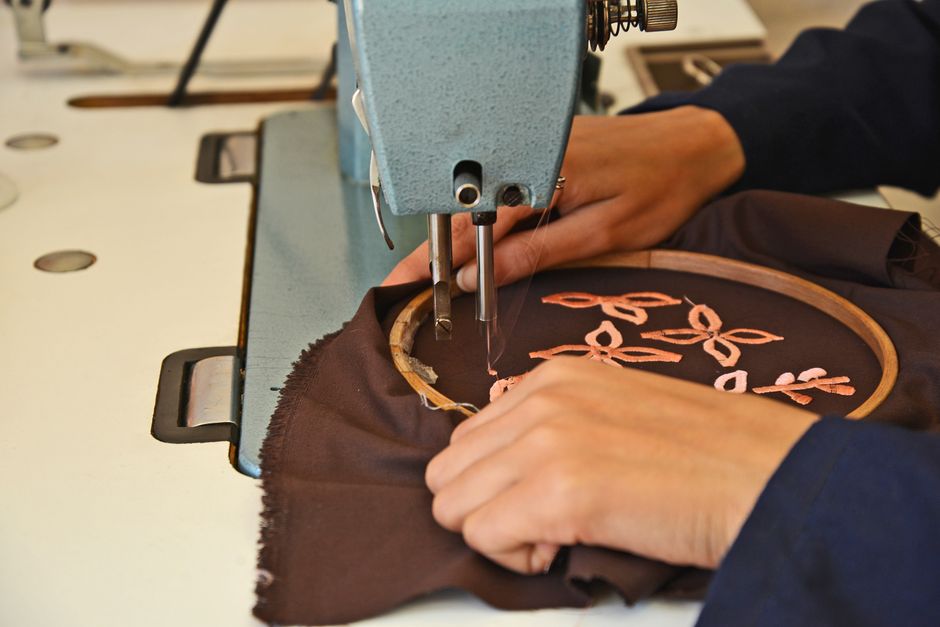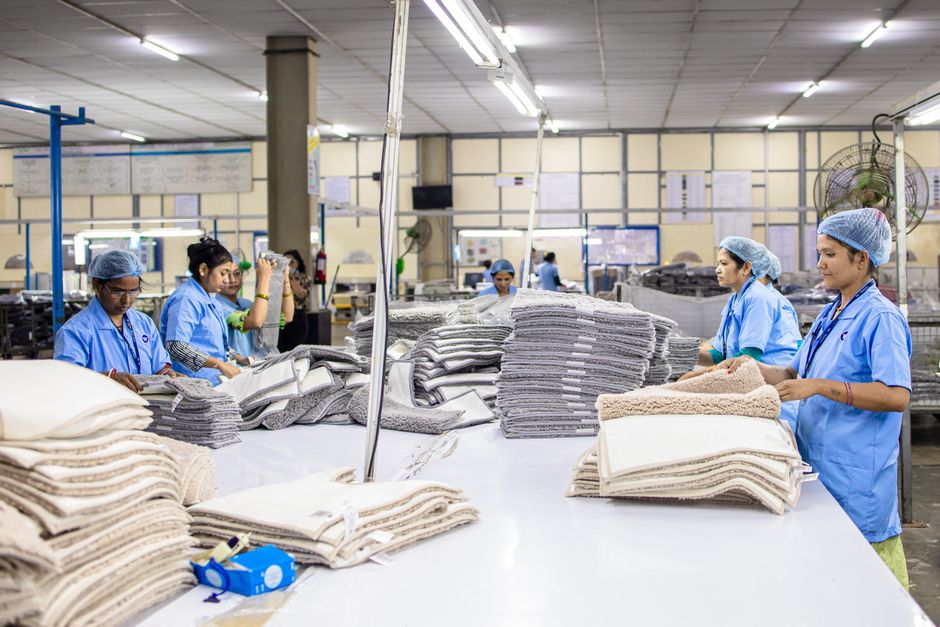
In recent years, the fashion industry has witnessed a significant shift towards private label clothing. This trend is driven by various factors including consumer demand for unique styles, competitive pricing, and the desire for retailers to establish their own brand identity. Private label clothing allows retailers to differentiate themselves in a crowded market, offering products that are exclusive to their stores. This article delves into the dynamics of private label clothing, its advantages, and how it shapes the future of fashion retail.
The Rise of Private Label Clothing
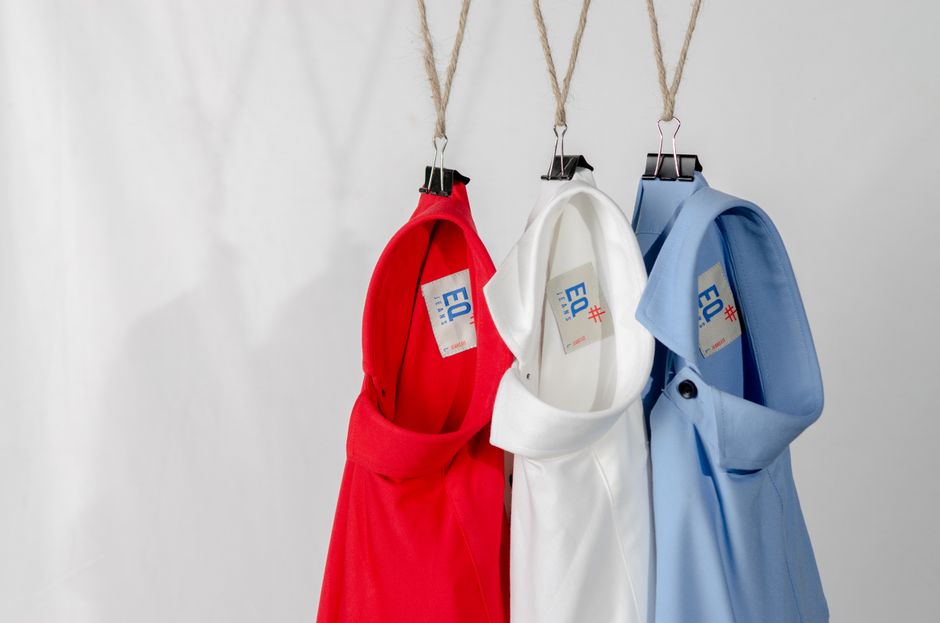
The concept of private label clothing is not new, but its popularity has surged in the past decade. According to a report by Statista, private label brands accounted for approximately 18% of total retail sales in the United States in 2020. This trend is largely attributed to the increasing consumer preference for personalized shopping experiences and the growing prevalence of e-commerce.
Retailers are now more inclined to invest in exclusive lines that reflect their brand ethos. For instance, big-box retailers like Target and Walmart have successfully launched their own clothing lines, which not only cater to their customer base but also enhance brand loyalty. By creating unique offerings, these companies can attract customers who seek quality products at competitive prices.
Moreover, the COVID-19 pandemic has accelerated the shift towards online shopping, making it imperative for retailers to diversify their product offerings. Private label clothing provides an agile solution, enabling brands to quickly adapt to changing consumer preferences and trends.
Advantages of Private Label Clothing
One of the primary benefits of private label clothing is the control it gives retailers over product quality and pricing. Retailers can work directly with manufacturers to ensure that their products meet specific standards, which can help build customer trust and satisfaction. Additionally, since these products are often produced at a lower cost, retailers can offer competitive pricing that appeals to budget-conscious consumers.
Another advantage is the potential for higher profit margins. According to research by the Boston Consulting Group, private label products can yield profit margins that are 20-30% higher than national brands. This is particularly beneficial for retailers looking to maximize their revenue in an increasingly competitive market.
Private label clothing also allows for greater flexibility in design and innovation. Retailers can quickly introduce new styles and collections, responding to emerging fashion trends without the constraints often associated with national brands. This agility can be a game-changer in the fast-paced fashion industry.
Challenges Facing Private Label Clothing
Despite its advantages, private label clothing is not without its challenges. One of the significant hurdles is the need for effective branding and marketing strategies. Unlike established brands that have built-in recognition, private label products must work harder to establish their identity in the marketplace.
Additionally, retailers must ensure that their supply chains are robust and reliable. Issues such as production delays, quality control, and inventory management can significantly impact the success of private label lines. Retailers need to invest in strong partnerships with manufacturers to mitigate these risks.
Another challenge is the potential for market saturation. As more retailers delve into private label clothing, the competition intensifies, making it crucial for brands to differentiate themselves through unique designs and marketing efforts.
Future Trends in Private Label Clothing
The future of private label clothing looks promising, with several trends poised to shape its development. Sustainability is becoming a key focus for consumers, and retailers are increasingly responding by incorporating eco-friendly materials into their private label lines. A survey conducted by Nielsen indicates that 66% of consumers are willing to pay more for sustainable brands, highlighting the importance of environmental considerations in product offerings.
Moreover, the integration of technology in fashion is set to transform the private label landscape. Retailers are leveraging data analytics to gain insights into consumer preferences, enabling them to create tailored products that resonate with their target audience. This data-driven approach can lead to more successful product launches and stronger customer engagement.
Lastly, the rise of social media influencers and digital marketing is reshaping how private label clothing is promoted. Collaborations with influencers can enhance brand visibility and attract younger consumers who are highly engaged on social platforms.
Conclusion
In summary, private label clothing has emerged as a formidable force within the fashion industry, offering retailers a strategic avenue to differentiate themselves and connect with consumers. With its numerous advantages, including enhanced control over quality and pricing, the potential for higher profit margins, and the ability to innovate quickly, private label lines are likely to continue growing in popularity. However, retailers must navigate the challenges of branding, supply chain management, and market competition to fully realize the potential of private label clothing. As the industry evolves, staying attuned to consumer trends and leveraging technology will be crucial for success. For those interested in exploring this avenue further, innovative platforms like private label clothing can provide valuable resources and insights.