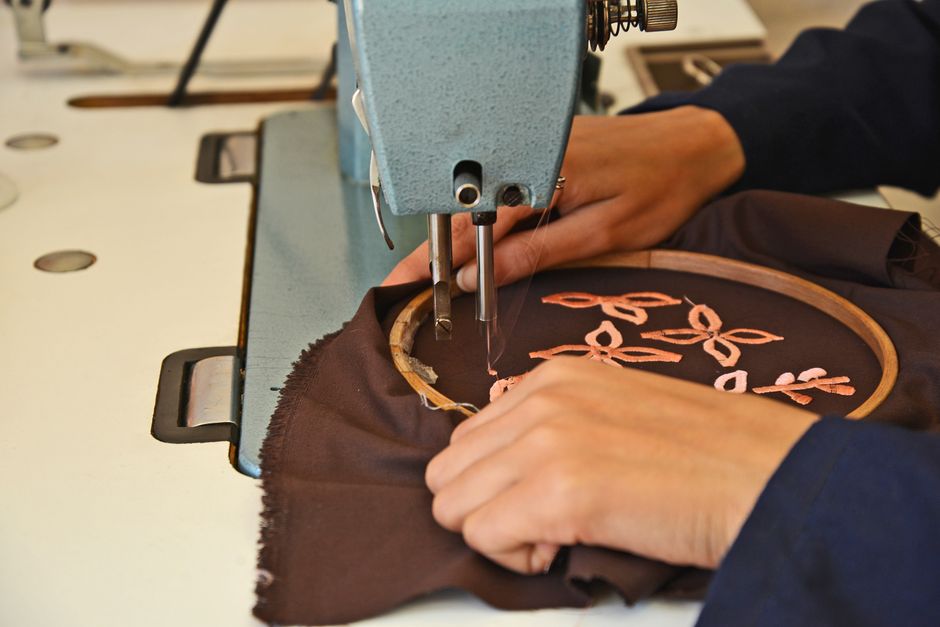
As consumers become increasingly aware of the environmental impact of their purchases, the fashion industry is undergoing a significant transformation. Sustainable fashion brands are emerging as a powerful force, emphasizing eco-friendly practices and ethical production methods. This shift not only addresses the urgent need for sustainability but also responds to a growing demand for transparency and responsibility in fashion.
Understanding Sustainable Fashion

Sustainable fashion encompasses a broad range of practices aimed at reducing the negative impact of clothing production on the environment and society. This includes the use of eco-friendly materials, ethical labor practices, and a commitment to minimizing waste. According to a report by the Global Fashion Agenda, the fashion industry is responsible for approximately 10% of global carbon emissions, making it crucial for brands to adopt sustainable practices.
Many sustainable fashion brands are focusing on materials that have a lower environmental footprint. Organic cotton, recycled polyester, and Tencel are just a few examples of materials that are gaining popularity among eco-conscious consumers. By opting for these alternatives, brands can significantly reduce their reliance on conventional textiles that contribute to pollution and resource depletion.
Moreover, sustainable fashion goes beyond just the materials used. It also involves ethical production processes, ensuring that workers are treated fairly and compensated adequately. This holistic approach reflects a growing awareness of the social implications of fashion, as consumers seek brands that align with their values.
The Impact of Consumer Choices
As awareness of sustainability grows, consumer choices are increasingly influenced by a brand’s commitment to ethical practices. A survey conducted by McKinsey found that 66% of global respondents consider sustainability when making a purchase, with this figure rising to 73% among millennials. This shift presents a unique opportunity for sustainable fashion brands to connect with consumers on a deeper level.
Brands that prioritize sustainability are often rewarded with loyal customers who appreciate their efforts. For instance, the sustainable fashion brand sustainable fashion brand has gained a dedicated following by consistently offering high-quality, eco-friendly products. These brands not only appeal to environmentally conscious shoppers but also attract those who are looking for unique, stylish pieces that tell a story.
Furthermore, the rise of social media has amplified the voices of consumers who demand transparency from brands. Influencers and activists are using platforms like Instagram to promote sustainable fashion, encouraging their followers to support brands that prioritize ethical practices. This trend is reshaping the way consumers engage with fashion, leading to a more informed and responsible shopping culture.
Challenges and Opportunities in the Sustainable Fashion Space
Despite the positive momentum surrounding sustainable fashion, challenges remain. The sustainable fashion market is often perceived as more expensive, which can deter consumers who are price-sensitive. Brands must find ways to balance sustainability with affordability, ensuring that eco-friendly options are accessible to a broader audience.
Additionally, the challenge of scalability poses a significant hurdle for many sustainable fashion brands. While small brands can manage sustainable practices effectively, scaling these efforts while maintaining quality and ethics becomes increasingly complex. Collaborations with larger companies or investments in technology can help overcome these challenges, paving the way for sustainable practices to become the norm rather than the exception.
On the flip side, the demand for sustainable fashion presents immense opportunities for innovation. Brands that invest in research and development can discover new materials and processes that are both sustainable and cost-effective. The potential for growth in this sector is substantial, as consumers continue to prioritize sustainability in their purchasing decisions.
The Future of Sustainable Fashion
The future of sustainable fashion looks promising, with more brands committing to ethical practices and transparency. As the industry evolves, we can expect to see an increasing number of collaborations between sustainable fashion brands and mainstream retailers. These partnerships can help bridge the gap between high fashion and sustainability, making eco-friendly options more mainstream.
Moreover, technological advancements are playing a crucial role in the evolution of sustainable fashion. Innovations such as 3D printing, biodegradable materials, and circular fashion models are set to revolutionize the industry, making it easier for brands to adopt sustainable practices. As these technologies become more accessible, we anticipate a significant shift in how fashion is produced and consumed.
Ultimately, the rise of sustainable fashion brands represents a vital step towards a more sustainable future. By prioritizing eco-friendly practices and ethical production, these brands are not only changing the fashion landscape but also inspiring consumers to make more conscious choices.
Conclusion
The emergence of sustainable fashion brands marks a transformative period in the fashion industry, reflecting a growing commitment to sustainability and ethical practices. As consumers become more informed and demand greater transparency, the pressure on brands to adapt is increasing. By embracing sustainable practices, fashion brands can not only contribute to a healthier planet but also foster a loyal customer base that values responsibility and innovation. The future of fashion is sustainable, and it is up to brands and consumers alike to champion this important movement.