
In the fast-paced world of business, the importance of a well-designed interior space cannot be overstated. Commercial interior designers play a crucial role in creating environments that not only look aesthetically pleasing but also enhance functionality and productivity. This article delves into the various aspects of commercial interior design, exploring the challenges faced by designers, the latest trends in the industry, and the impact of well-designed interiors on business success.
The Importance of Commercial Interior Design
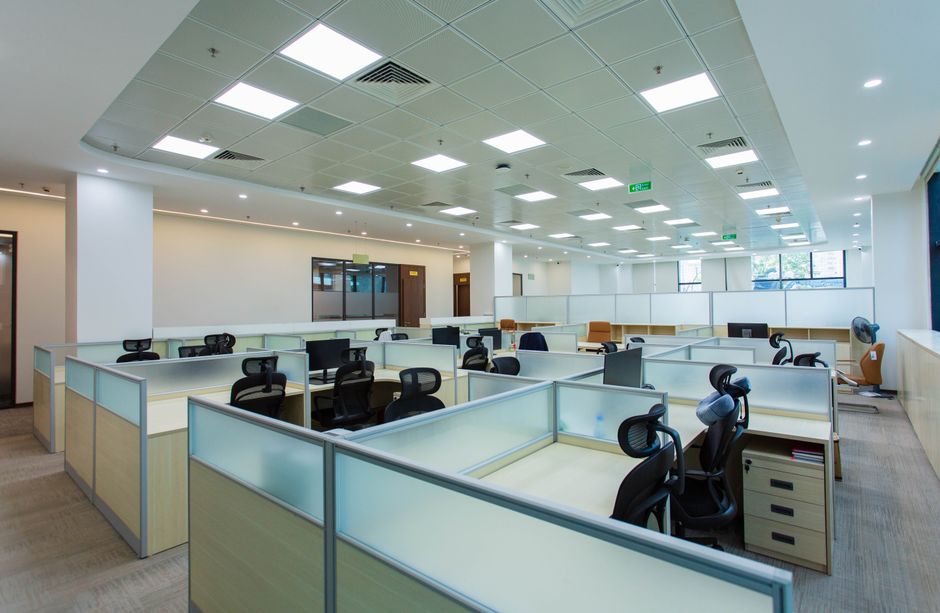
First and foremost, commercial interior design is essential for establishing a brand identity. A well-designed space reflects the values and mission of a company, creating an immediate impression on clients and customers. For instance, tech firms often opt for sleek, modern designs to convey innovation, while law firms might choose more traditional aesthetics to communicate professionalism.
Moreover, the layout of a commercial space can significantly influence employee morale and productivity. Research indicates that a well-planned office can boost employee efficiency by up to 20%. This makes the role of a commercial interior designer pivotal in ensuring that workspaces are not only functional but also conducive to collaboration and creativity.
Key Trends in Commercial Interior Design
As we move further into the 21st century, several trends are shaping the landscape of commercial interior design. One notable trend is the increasing focus on sustainability. Businesses are now more aware of their environmental impact, leading to a demand for green materials and energy-efficient designs. Designers are incorporating elements such as reclaimed wood, low-VOC paints, and energy-efficient lighting to create eco-friendly environments.
Another trend is the integration of technology into interior spaces. Smart offices equipped with advanced technology not only enhance the user experience but also streamline operations. Features like automated lighting and temperature control systems are becoming standard in modern offices, showcasing the importance of technology in creating efficient workspaces.
The Design Process: From Concept to Completion
The process of commercial interior design is multifaceted and requires a blend of creativity and technical skill. Initially, designers collaborate with clients to understand their vision and functional needs. This stage often involves brainstorming sessions and the creation of mood boards to illustrate design concepts.
Following this, designers develop detailed plans and 3D renderings to provide clients with a clear picture of the proposed space. This step is crucial for visualizing how different elements will come together. Once designs are approved, the implementation phase begins, where contractors and suppliers are coordinated to bring the vision to life.
Challenges Faced by Commercial Interior Designers
Despite the rewarding nature of their work, commercial interior designers face several challenges. Budget constraints are a common hurdle, as clients often have limited funds for renovations. Designers must be adept at finding creative solutions that meet the client’s vision without exceeding the budget.
Additionally, navigating building codes and regulations can be complex. Ensuring that designs comply with local laws and safety standards is critical, and failing to do so can result in costly delays or modifications. This requires a deep understanding of the legal aspects of interior design, further highlighting the expertise needed in this field.
Conclusion: The Impact of Commercial Interior Design on Business Success
In conclusion, the role of commercial interior designers extends far beyond aesthetics. They are instrumental in creating spaces that foster productivity, enhance brand identity, and improve employee well-being. As trends continue to evolve, the need for skilled designers who can adapt and innovate will only grow. Investing in quality commercial interior design is not just about beautifying a space; it is a strategic move that can lead to increased business success and a more engaged workforce.