
The world of manufacturing and design is undergoing a revolutionary transformation, and at the forefront of this change is the advent of 3D printing services. This innovative technology allows for the creation of three-dimensional objects from digital files, enabling unprecedented customization and efficiency in production. As industries begin to recognize the potential of 3D printing, businesses and consumers alike are eager to explore how these services can meet their diverse needs.
Understanding 3D Printing Technology
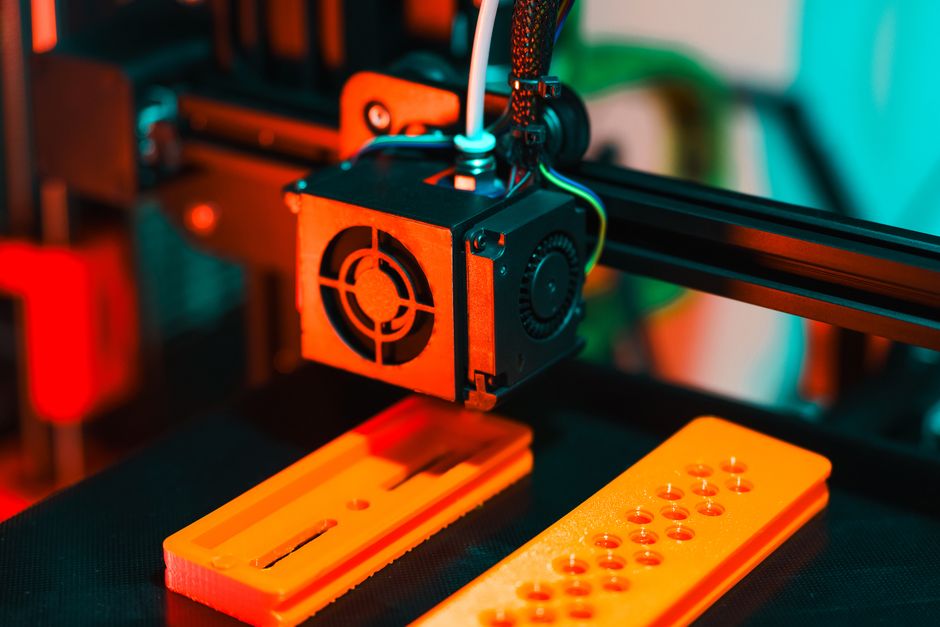
3D printing, also known as additive manufacturing, works by layering materials to build objects from the ground up. Unlike traditional manufacturing processes that often involve subtracting material, 3D printing adds material in a controlled manner. This method not only reduces waste but allows for intricate designs that were previously impossible or cost-prohibitive to create. Various materials can be used, including plastics, metals, and even biological matter, reflecting the versatility of this technology.
According to a report by Wohlers Associates, the global 3D printing market is projected to reach $34.8 billion by 2024, demonstrating the rapid growth and adoption of this technology across various sectors. With applications ranging from prototyping to final product manufacturing, it is clear that 3D printing is becoming integral to modern industry.
Applications of 3D Printing Services
The applications for 3D printing services are vast and varied. In the healthcare sector, for example, 3D printing is being used to create custom prosthetics and implants tailored to individual patients. This not only improves patient outcomes but significantly speeds up the production process, allowing for quicker medical responses.
In the automotive industry, companies are utilizing 3D printing for rapid prototyping and production of complex parts that are lightweight yet durable. This enhances innovation while reducing costs associated with traditional manufacturing methods. For instance, Ford has been known to use 3D printing to produce prototypes of vehicle parts, which can be tested and modified in a fraction of the time it used to take.
Advantages of Utilizing 3D Printing Services
One of the primary advantages of 3D printing services is the significant reduction in time and cost for product development. Traditional manufacturing methods often involve lengthy lead times and high costs due to tooling and setup. In contrast, 3D printing allows for a more streamlined process, enabling companies to bring their products to market faster.
Additionally, the customization capabilities of 3D printing are unparalleled. Businesses can offer personalized products to their customers without the need for expensive molds or tooling changes. This flexibility can lead to increased customer satisfaction and loyalty, as consumers are increasingly seeking unique and tailored solutions.
Challenges and Considerations
Despite the numerous benefits, there are challenges associated with 3D printing services that must be addressed. Quality control is a significant concern, as maintaining consistency in production can be challenging with additive manufacturing. Companies must implement rigorous testing and quality assurance protocols to ensure that final products meet industry standards.
Intellectual property issues also arise in the realm of 3D printing. The ease of copying designs digitally poses a risk to creators and innovators. As more businesses adopt this technology, it is essential to establish clear guidelines and protections for intellectual property rights.
The Future of 3D Printing Services
The future of 3D printing services looks bright as technology continues to advance. Innovations in materials and printing techniques are expected to broaden the scope of applications, making it possible to create even more complex and functional products. For instance, researchers are exploring the use of bio-printing to create human tissues and organs, which could revolutionize the medical field.
As businesses and consumers increasingly seek sustainable solutions, 3D printing offers a compelling alternative. The ability to produce items on demand reduces the need for large inventories and minimizes waste, aligning with global efforts towards sustainability.
For those interested in exploring this technology further, a reliable 3D printing service can provide the expertise and resources needed to bring innovative ideas to life.
Conclusion
In conclusion, 3D printing services are at the cutting edge of manufacturing and design, offering transformative benefits across multiple industries. As technology progresses, the potential for this innovative method of production will continue to expand, paving the way for a future where customization, efficiency, and sustainability take center stage. Embracing 3D printing is not just a trend; it is a strategic move towards a more agile and responsive manufacturing ecosystem.