
The growing demand for renewable energy sources has necessitated the development of efficient energy storage systems. As the world shifts towards sustainable energy solutions, understanding how these systems operate and their significance in our energy landscape has become essential. This article delves into the various types of energy storage systems, their applications, and their role in enhancing energy efficiency.
Understanding Energy Storage Systems
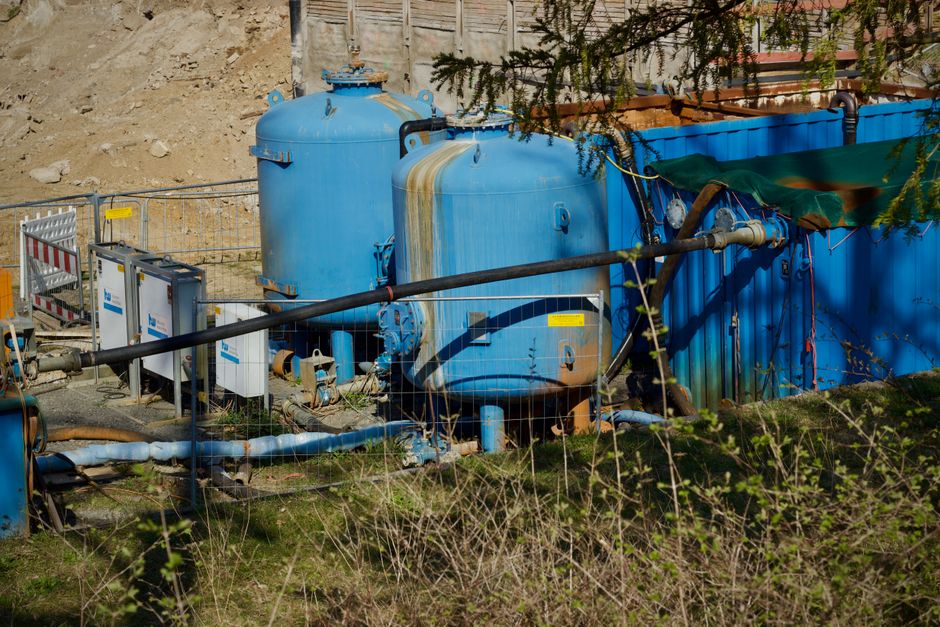
Energy storage systems (ESS) are technologies that store energy for use at a later time. They play a crucial role in balancing supply and demand, providing grid stability, and enabling the integration of renewable energy sources. The primary goal of these systems is to store excess energy produced during periods of low demand and release it during peak demand times, thereby optimizing energy use.
There are several types of energy storage systems, each with its own unique characteristics and applications. These include batteries, pumped hydro storage, flywheels, and thermal storage. Each type has its advantages and disadvantages, making them suitable for different scenarios and applications.
As the demand for energy storage continues to rise, it’s vital to understand the technologies behind these systems and their potential impact on the energy market.
Types of Energy Storage Systems
1. **Battery Energy Storage Systems (BESS)**: One of the most popular forms of energy storage, batteries offer a flexible and scalable solution for both residential and commercial applications. Lithium-ion batteries, in particular, have gained traction due to their high energy density and decreasing costs. They are commonly used in electric vehicles and grid applications, providing quick response times for energy dispatch.
2. **Pumped Hydro Storage**: This is the most widely used form of grid energy storage, accounting for about 95% of the world’s energy storage capacity. Pumped hydro storage works by moving water between two reservoirs at different elevations. During periods of low demand, excess electricity is used to pump water to the upper reservoir. When demand is high, the water is released back down, generating electricity as it flows through turbines.
3. **Flywheel Energy Storage**: Flywheels use kinetic energy to store energy. They consist of a rotating mass that stores energy mechanically. When energy is needed, the rotational energy is converted back to electricity. Flywheels are known for their rapid response times and longevity, making them ideal for balancing short-term fluctuations in energy supply and demand.
4. **Thermal Energy Storage**: This system stores energy in the form of heat or cold. One common application is in concentrated solar power plants, where excess heat is stored in molten salt and used to generate electricity when sunlight is not available. Thermal storage can also be used in district heating systems, where it helps balance heating demands throughout the day.
Applications of Energy Storage Systems
Energy storage systems have a wide range of applications across various sectors. In the renewable energy sector, they are essential for integrating solar and wind power into the grid. By storing excess energy generated during sunny or windy periods, these systems ensure a steady supply of electricity even when production is low.
In addition, energy storage systems can support grid stability by providing frequency regulation and voltage support. Utilities use these systems to respond quickly to fluctuations in demand, preventing blackouts and enhancing overall grid reliability.
Moreover, energy storage systems can be used in microgrids, which are localized grids that can operate independently from the main grid. This is particularly beneficial in remote areas where conventional grid infrastructure is lacking. By incorporating energy storage, microgrids can enhance energy access and resilience against outages.
Challenges and Future Outlook
Despite their many benefits, energy storage systems face several challenges. One of the primary obstacles is the high cost of some technologies, particularly large-scale battery systems. Although prices have been steadily decreasing, further advancements are needed to make these systems more economically viable.
Additionally, there are concerns about the environmental impact of certain storage technologies, especially battery production and disposal. Ensuring sustainable sourcing of materials and developing recycling solutions are crucial for the future of energy storage.
Looking ahead, the future of energy storage systems appears promising. As technology continues to evolve, we can expect to see more efficient, cost-effective, and sustainable solutions emerging. The increasing adoption of electric vehicles and the push for a greener energy grid will further drive innovation in this field.
Conclusion
Energy storage systems are a vital component of our transition to a more sustainable energy future. By understanding the various types of systems available and their applications, we can better appreciate their role in enhancing energy efficiency and integrating renewable sources into our grid. As we continue to innovate and address the challenges associated with these technologies, energy storage will undoubtedly play a pivotal role in shaping the future of energy consumption and generation.
For more information on how these systems work and their various applications, check out this resource on energy storage systems.