
The electric vehicle (EV) industry is witnessing an unprecedented boom, and at the heart of this transformation lies the crucial role of EV battery suppliers. As the world shifts towards sustainable transportation solutions, the demand for high-performance batteries is skyrocketing. In this article, we will explore the key players in the EV battery supply chain, the technologies driving innovation, and the challenges faced by these suppliers in meeting global demand.
Understanding the EV Battery Supply Chain
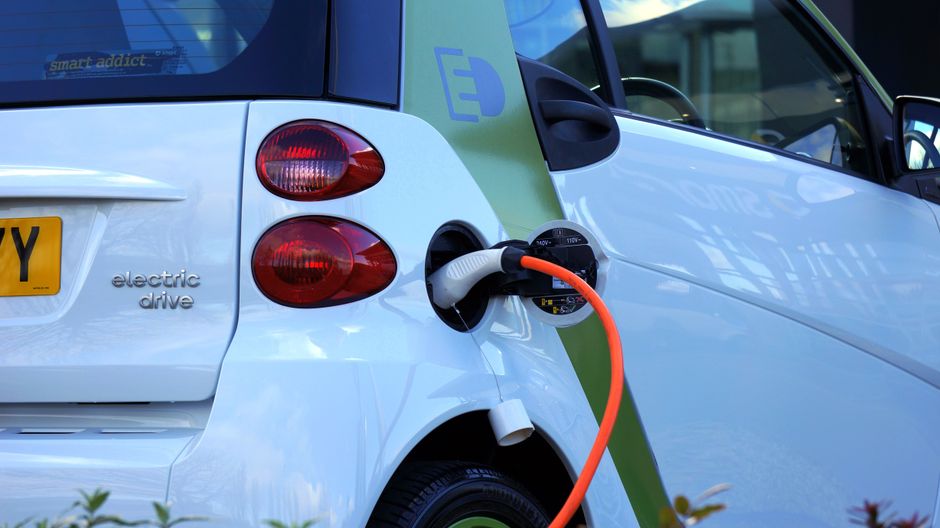
The supply chain for EV batteries is complex and involves multiple stages, from raw material extraction to manufacturing and distribution. Major components of EV batteries include lithium, cobalt, nickel, and graphite, which are sourced from various parts of the world. Suppliers need to ensure a steady supply of these materials to maintain production levels. For instance, companies like Tesla and Panasonic have established partnerships with mining firms to secure their material needs.
Furthermore, the manufacturing process of EV batteries requires advanced technology and significant investment. Companies must continually innovate to produce batteries that are not only efficient but also affordable. The rise of new entrants in the market has intensified competition, pushing established suppliers to enhance their technology and production capabilities.
Key Players in the Market
Several companies dominate the EV battery supply landscape. Among them, EV battery suppliers like CATL, LG Chem, and Samsung SDI are leading the way with cutting-edge technology and extensive production facilities. CATL, for example, has become the largest lithium-ion battery manufacturer in the world, supplying batteries for various EV models globally.
Another notable player, LG Chem, is known for its high-capacity batteries used in electric vehicles produced by General Motors and Hyundai. These companies not only invest in production capabilities but also in research and development to create next-generation battery technologies, such as solid-state batteries that promise better performance and safety.
Innovations Shaping the Future
Innovation is a driving force in the EV battery sector. Significant advancements in battery chemistry and design are leading to improved energy densities and faster charging times. Solid-state batteries, which use a solid electrolyte instead of a liquid one, are being developed to overcome the limitations of traditional lithium-ion batteries. These batteries are lighter, safer, and have a longer lifespan, making them ideal for EV applications.
Moreover, companies are exploring alternative materials to reduce dependency on rare materials like cobalt, which is often associated with ethical concerns in mining practices. By developing lithium iron phosphate (LFP) batteries, suppliers can offer a more sustainable and cost-effective solution while maintaining performance.
Challenges Faced by Suppliers
Despite the rapid growth of the EV battery market, suppliers face several challenges. One of the most pressing issues is the supply of raw materials. The increasing demand for lithium and cobalt has led to price volatility and geopolitical tensions, as these materials are concentrated in specific regions. Suppliers must navigate these complexities to ensure stable sourcing.
Additionally, as the market matures, regulatory challenges are becoming more prominent. Governments worldwide are implementing stricter regulations regarding battery recycling and sustainability. Suppliers must adapt to these regulations, investing in recycling technologies to reclaim valuable materials from used batteries. This not only helps in resource conservation but also aligns with the global shift towards a circular economy.
Conclusion: The Road Ahead for EV Battery Suppliers
The future of EV battery suppliers looks promising, with ample opportunities for growth and innovation. As electric vehicles become more mainstream, the demand for high-quality, efficient batteries will continue to escalate. Suppliers that embrace technological advancements, secure sustainable sourcing, and navigate regulatory landscapes will be well-positioned to thrive in this evolving market.
In conclusion, the role of EV battery suppliers is pivotal in shaping the future of transportation. By addressing challenges and leveraging innovations, these suppliers can contribute to a more sustainable and electrified future.