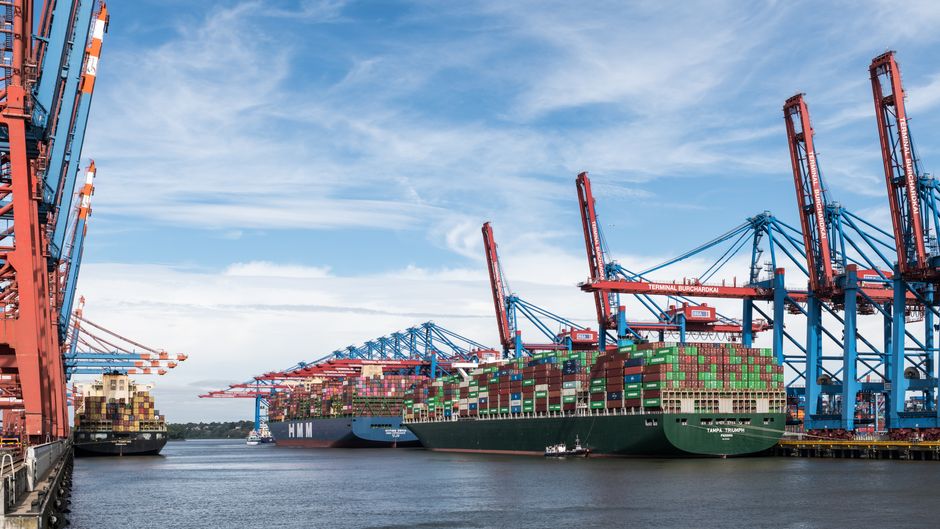
The world of shipping and logistics is vast and complex, with many components working together to ensure that goods reach their destinations safely. One critical aspect of this process is cargo insurance, a form of coverage that protects businesses and individuals from losses or damages that may occur during transportation. In this article, we will explore the importance of cargo insurance, the different types available, and factors to consider when selecting a policy.
What is Cargo Insurance?
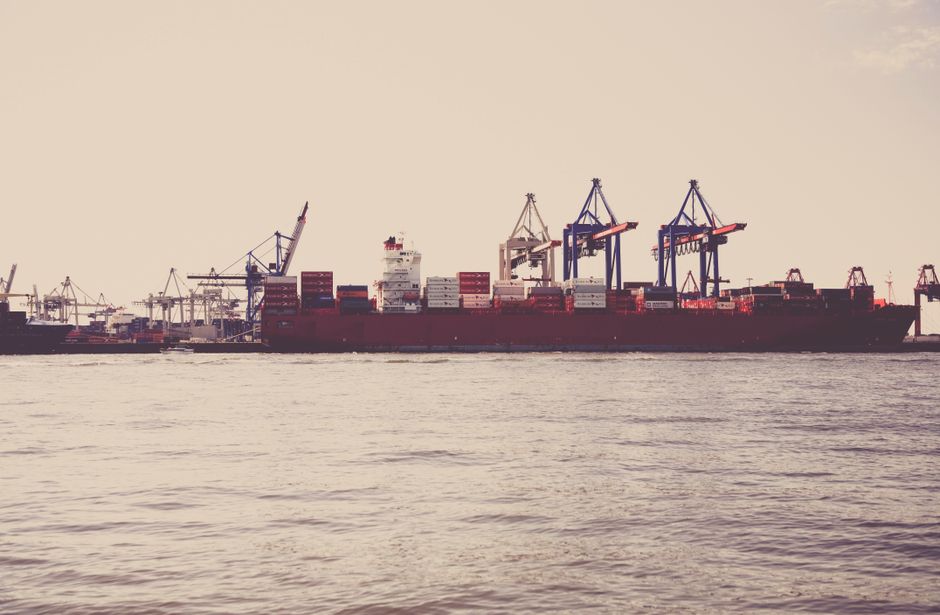
Cargo insurance is a specialized type of insurance designed to cover loss or damage to cargo while it is being transported. This can include various modes of transportation, such as trucks, ships, and planes. The coverage can be crucial for businesses that rely on shipping goods, as it mitigates financial risks associated with potential accidents, theft, or natural disasters.
For instance, if a shipment of electronics is damaged due to a shipping mishap, having cargo insurance can help recover the costs incurred from the loss. Without this protection, businesses may face significant financial setbacks that could impact their operations.
Types of Cargo Insurance
There are several types of cargo insurance policies available, each tailored to meet the needs of different shipping scenarios. The two most common types are named perils coverage and all-risk coverage.
Named perils coverage specifically lists the events that are covered, such as fire, theft, or collision. This means that if a loss occurs due to an event not mentioned in the policy, the claim may be denied. On the other hand, all-risk coverage is more comprehensive, covering all losses unless specifically excluded. This type of policy is generally recommended for high-value shipments.
Factors to Consider When Choosing Cargo Insurance
When selecting cargo insurance, it is essential to consider several factors to ensure adequate coverage. The first factor is the value of the goods being shipped. High-value items may require more comprehensive coverage to protect against potential losses.
Another important consideration is the mode of transportation. Different carriers may have varying levels of liability, and understanding these differences can help in selecting the appropriate insurance policy. Additionally, businesses should evaluate their shipping frequency and routes, as these elements can influence the risk factors associated with transporting goods.
The Role of Cargo Insurance in Global Trade
Cargo insurance plays a vital role in facilitating global trade by providing businesses with the confidence to transport goods internationally. This insurance not only protects individual shipments but also helps stabilize the overall supply chain.
For example, during a recent global shipping crisis, many businesses faced unprecedented challenges in transporting goods. Companies with sufficient cargo insurance were better positioned to navigate these challenges, as they could manage risks effectively and minimize financial losses.
Conclusion
In conclusion, cargo insurance is an essential aspect of modern shipping and logistics. It provides valuable protection against potential losses, enabling businesses to operate with confidence in the global marketplace. By understanding the different types of coverage available and the factors to consider when selecting a policy, businesses can better safeguard their assets and ensure smooth operations.