The real estate industry is a dynamic and multifaceted field that offers numerous opportunities for those looking to build a career in property sales and management. As a real estate agent, you not only sell properties but also help clients navigate one of the most significant financial decisions of their lives. This article explores the essential skills, strategies, and insights needed to excel as a real estate agent in today’s competitive market.
Understanding the Role of a Real Estate Agent
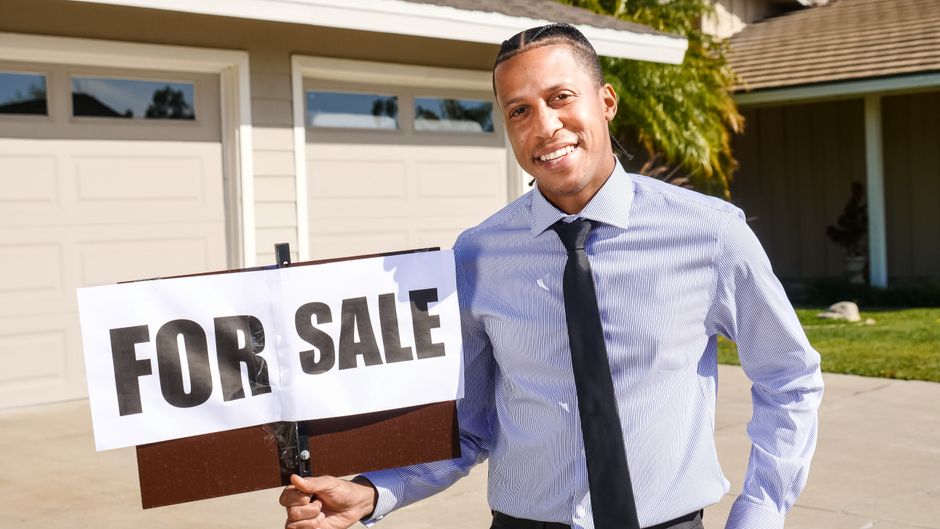
A real estate agent acts as an intermediary between buyers and sellers of real estate. Their primary responsibility is to facilitate transactions while ensuring that both parties are satisfied with the deal. This role requires a deep understanding of the local market, property values, and the legal aspects of real estate transactions.
Real estate agents must also be skilled negotiators. They work to achieve the best possible price for their clients, often negotiating terms that can significantly affect the sale or purchase of a property. Additionally, they must be adept at marketing properties effectively to reach potential buyers.
According to the National Association of Realtors, the average real estate agent earns about $49,700 per year, but top performers can make significantly more. This income potential, combined with the flexibility of the job, makes real estate an appealing career choice for many.
Essential Skills for Success
To thrive as a real estate agent, several key skills are essential. First and foremost is communication. Agents must communicate clearly and effectively with clients, other agents, and various stakeholders throughout the buying or selling process.
Another crucial skill is market analysis. Successful agents constantly analyze market trends to provide their clients with accurate information. This includes understanding property values, neighborhood dynamics, and the overall economic climate that affects real estate.
Furthermore, technology plays a significant role in modern real estate. Familiarity with online listing platforms and social media marketing is vital for reaching a broader audience. Agents who leverage technology can gain a competitive edge in attracting clients and closing deals.
Building a Strong Network
Networking is a cornerstone of success in real estate. Establishing relationships with other professionals in the industry, such as mortgage brokers, contractors, and other real estate agents, can lead to referrals and collaboration opportunities.
Joining local real estate associations and attending industry events can help agents expand their networks. Building a solid reputation in the community also leads to word-of-mouth referrals, which are invaluable in this business.
Moreover, maintaining a strong online presence through social media and a professional website is essential for visibility. Agents who engage with their audience online can build trust and establish themselves as experts in their field.
Marketing Properties Effectively
Effective property marketing is crucial for attracting buyers. Agents must employ a mix of traditional and digital marketing strategies. Professional photography, virtual tours, and staging can significantly enhance a property’s appeal.
Additionally, crafting compelling property descriptions that highlight unique features and benefits is essential. Agents should also utilize social media platforms to showcase listings, as these channels can reach a diverse audience.
Statistics show that homes marketed with professional photos sell 32% faster than those without. This highlights the importance of investing in quality marketing materials to attract potential buyers.
Navigating Challenges in Real Estate
The real estate market is not without its challenges. Agents must be prepared to handle various obstacles, such as fluctuating market conditions, economic downturns, and changes in buyer preferences. Staying informed about industry trends and adapting to changes is crucial for long-term success.
Additionally, agents may face ethical dilemmas and must navigate complex regulations. Understanding local laws and maintaining a high standard of integrity is essential for building a trustworthy reputation.
Furthermore, the rise of online real estate platforms has transformed the industry. While these platforms provide convenience for buyers and sellers, they also present competition for traditional agents. Embracing technology and finding ways to differentiate oneself is key to thriving in this evolving landscape.
Conclusion
Becoming a successful real estate agent requires a combination of skills, knowledge, and dedication. By understanding the role, honing essential skills, and building a strong network, agents can position themselves for success in a competitive market. Embracing technology, effective marketing strategies, and navigating challenges will further enhance their potential. For those interested in pursuing this rewarding career, the journey can be both fulfilling and lucrative.
For more information on how to become a successful real estate agent, consider exploring online courses and resources that provide valuable insights into the industry.