
In an age dominated by digital media, the art of book production remains a vital and fascinating process. From the initial concept to the final printed product, the journey of turning an idea into a tangible book involves a multitude of steps and a variety of professionals. This article delves into the intricacies of book production, exploring the various phases involved and the technologies that enhance this age-old craft.
The Initial Concept and Manuscript Development
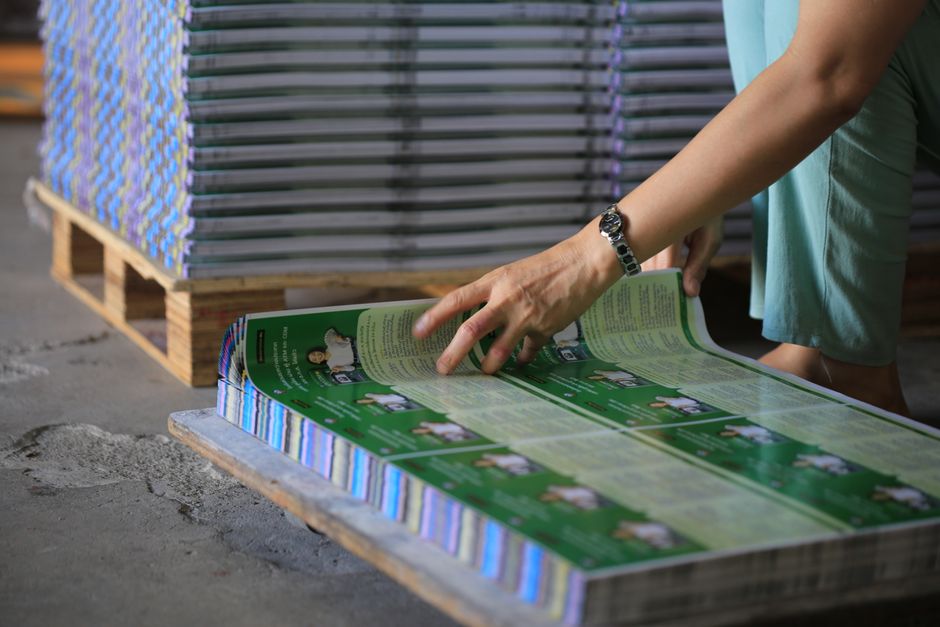
The first step in book production is the conception of the book idea. Authors often spend months, if not years, crafting their manuscripts. This phase includes research, writing, and editing, which are essential to create a polished final draft. Authors may seek feedback from beta readers or hire professional editors to refine their work.
Once the manuscript is complete, it enters the pre-production phase. This is where decisions about the layout, design, and overall aesthetics are made. In this stage, authors may collaborate with graphic designers and typesetters to ensure that the book’s visual elements align with its content.
Additionally, there are several formats to consider, including hardcover, paperback, and digital versions. Each format has its own production requirements and costs, influencing the overall budget for the project.
The Role of Technology in Book Production
Modern book production has been revolutionized by technological advancements. Digital printing, for example, allows for short runs of books to be produced economically, making it more accessible for independent authors and small publishers. This technology not only reduces costs but also shortens the production timeline.
Moreover, print-on-demand services have gained popularity, enabling authors to print books only when orders are received. This approach minimizes waste and storage costs while allowing for greater flexibility in inventory management.
In addition to printing technologies, software tools have greatly enhanced the editing and design processes. Applications like Adobe InDesign and Scrivener streamline the workflow, making it easier for authors and designers to collaborate effectively.
Designing the Book: Cover and Interior Layout
The design of a book is crucial for attracting readers and conveying the essence of the content. The cover serves as the first impression and is often what draws readers to a book. Therefore, investing in professional cover design is essential. Designers must consider typography, imagery, and color schemes that resonate with the target audience.
Interior layout is equally important. A well-formatted interior layout enhances readability and ensures a pleasant reading experience. Factors such as font choice, line spacing, and margin size play a significant role in how the text is perceived. Authors should work closely with designers to achieve a balanced and aesthetically appealing layout.
Furthermore, adding elements like illustrations, graphs, or photographs can enrich the content and provide visual breaks for readers. This is particularly relevant in non-fiction books where data presentation is key.
Proofreading and Quality Control
Once the design is finalized, the manuscript undergoes rigorous proofreading. This step is vital to eliminate errors and ensure that the final product meets high standards. Hiring professional proofreaders can significantly enhance the quality of the book and prevent mistakes that could detract from the reader’s experience.
Quality control processes also involve checking the printed proofs before mass production. This allows authors and publishers to assess the physical appearance of the book, making any necessary adjustments to the design or layout.
In a world where self-publishing is becoming increasingly popular, maintaining high quality is essential for establishing credibility and achieving commercial success.
Distribution and Marketing Strategies
The final phase of book production is distribution and marketing. Authors must develop a strategy to get their books into the hands of readers. This could involve traditional publishing routes or self-publishing options, each with its own set of challenges and rewards.
Effective marketing is crucial for success in the competitive book market. Authors should leverage social media, book signings, and online platforms to promote their work. Collaborating with influencers and engaging in community events can also expand their reach.
For those looking to transform their creative projects into physical books, services like turn cards into a book uk offer innovative solutions. These services cater to unique projects and provide an opportunity for authors to present their work in a compelling format.
Conclusion
The book production process is a blend of creativity and technical expertise. Understanding each phase, from manuscript development to marketing, is essential for anyone looking to navigate the literary landscape successfully. With the right tools and strategies, authors can bring their visions to life and connect with readers around the world.