
The world of cryptocurrency has rapidly evolved over the past decade, transforming from a niche interest into a mainstream financial phenomenon. With the rise of Bitcoin, Ethereum, and numerous altcoins, investors and enthusiasts alike are eager to explore the implications of this digital currency revolution. This article delves into the key trends, challenges, and future outlook of cryptocurrency, offering readers a comprehensive understanding of this dynamic market.
The Rise of Cryptocurrency
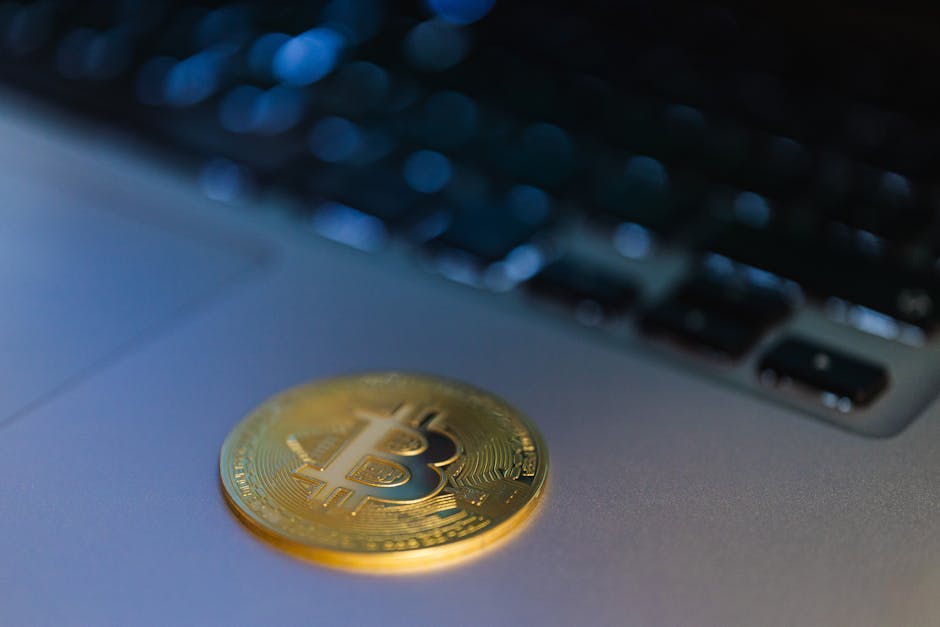
Cryptocurrency emerged in 2009 with the introduction of Bitcoin, created by the pseudonymous Satoshi Nakamoto. Initially viewed with skepticism, Bitcoin gained traction among tech-savvy individuals and libertarians who valued its decentralized nature. Today, the cryptocurrency market boasts thousands of digital currencies, each with unique features and use cases.
According to a report from CoinMarketCap, the total market capitalization of cryptocurrencies exceeded $2 trillion in early 2021, highlighting the growing interest and investment in this sector. This surge can be attributed to several factors, including increased acceptance by mainstream financial institutions, the rise of decentralized finance (DeFi), and the growing popularity of non-fungible tokens (NFTs).
The global pandemic also accelerated the adoption of cryptocurrencies, as people sought alternative investment avenues amid economic uncertainty. In a survey conducted by the Global Blockchain Business Council, 40% of respondents indicated they had invested in or traded cryptocurrencies, up from 20% the previous year.
Decentralized Finance (DeFi) and Its Impact
One of the most significant developments in the cryptocurrency space is the rise of decentralized finance (DeFi). DeFi refers to financial services built on blockchain technology that operate without intermediaries, allowing users to lend, borrow, and trade assets directly. Platforms such as Uniswap and Aave have gained popularity by offering users the ability to earn interest on their crypto holdings or trade assets without the need for traditional exchanges.
The DeFi sector has experienced explosive growth, with total value locked (TVL) in DeFi protocols surpassing $80 billion in 2021. This trend presents both opportunities and challenges. While DeFi provides greater accessibility and transparency, it also raises concerns about security and regulatory oversight.
Investors must exercise caution when participating in DeFi, as the lack of regulation can expose them to risks such as smart contract vulnerabilities and potential scams. It’s crucial for users to conduct thorough research and understand the risks involved in DeFi investments.
Challenges Facing the Cryptocurrency Market
Despite its rapid growth, the cryptocurrency market faces several challenges that could impact its long-term viability. Regulatory uncertainty remains a significant concern, as governments around the world grapple with how to approach cryptocurrencies. Some countries have embraced digital currencies, while others have imposed strict regulations or outright bans.
For example, China has cracked down on cryptocurrency mining and trading, citing concerns over financial stability and environmental impact. In contrast, countries like El Salvador have adopted Bitcoin as legal tender, signaling a more progressive approach. This regulatory patchwork creates confusion for investors and businesses looking to navigate the cryptocurrency landscape.
Moreover, the environmental impact of cryptocurrency mining, particularly Bitcoin, has garnered significant attention. Critics argue that the energy consumption associated with mining operations is unsustainable. In response, some projects are exploring more energy-efficient consensus mechanisms, such as proof of stake, to mitigate their environmental footprint.
The Future of Cryptocurrency
Looking ahead, the future of cryptocurrency appears promising, albeit with potential hurdles to overcome. Innovations in blockchain technology and increased institutional adoption are likely to drive growth in the coming years. Major corporations, including Tesla and Square, have invested in Bitcoin, signaling a shift in attitude toward digital assets.
Furthermore, the integration of cryptocurrencies into traditional financial systems is gaining momentum. Many banks are exploring ways to offer cryptocurrency services to their customers, such as custody solutions and trading platforms. This trend could enhance the legitimacy of cryptocurrencies and encourage wider adoption among mainstream investors.
As the cryptocurrency ecosystem continues to evolve, investors should stay informed about emerging trends and technologies. Keeping an eye on innovations in areas such as blockchain scalability, interoperability, and regulatory developments will be essential for those looking to navigate this complex landscape.
For real-time data and insights on the cryptocurrency market, including analysis of price movements and trends, many traders rely on tools such as live forex charts. These resources can provide valuable information to aid investment decisions and market strategies.
Conclusion
In conclusion, cryptocurrency is reshaping the financial landscape, offering new opportunities and challenges for investors and consumers alike. As the market matures, it is essential to remain informed about the latest developments and trends. By understanding the implications of cryptocurrency, individuals can better navigate this exciting yet volatile space and make informed decisions about their investments. The future of cryptocurrency is still being written, and it promises to be an intriguing journey ahead.