
Wristwatches have been a staple of personal style and functionality since their inception. From their beginnings as pocket watches to the sophisticated smartwatches of today, wristwatches have continually evolved to meet the demands of both fashion and technology. In this article, we will explore the rich history, the mechanics, and the cultural significance of wristwatches, as well as their future in a rapidly changing world.
The History of Wristwatches
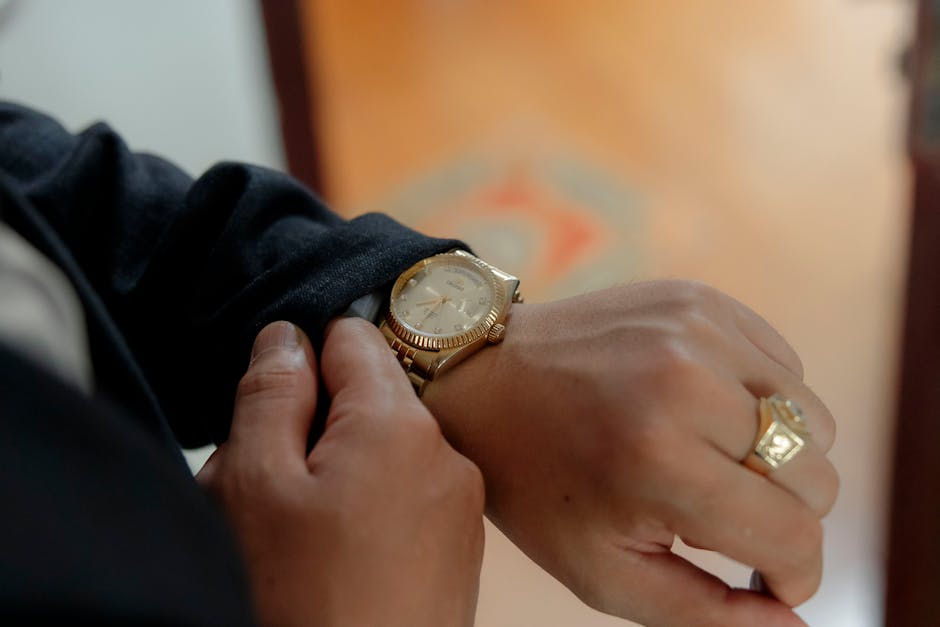
The history of wristwatches dates back to the 16th century, when they were first created as ornamental pieces for women. It wasn’t until the late 19th century that wristwatches began to gain popularity among men. The Swiss watchmaker Patek Philippe is credited with creating the first wristwatch for a man in 1868. This marked the beginning of a new era in horology.
During World War I, wristwatches became essential for military personnel, who needed a reliable way to keep time on the battlefield. The practicality of wristwatches led to their widespread adoption post-war, transforming them from a novelty item into a necessary accessory for men and women alike.
As the 20th century progressed, wristwatch designs evolved significantly. Iconic brands like Rolex, Omega, and TAG Heuer emerged, offering luxury timepieces that combined artistry with precision. The introduction of quartz technology in the 1970s revolutionized the industry, making watches more affordable and accurate.
The Mechanics Behind Wristwatches
Understanding how wristwatches work can deepen appreciation for their craftsmanship. There are primarily two types of movements: mechanical and quartz. Mechanical watches are powered by intricate gears and springs, often crafted by skilled artisans. These timepieces are celebrated for their craftsmanship and longevity.
Quartz watches, on the other hand, utilize a battery and a quartz crystal to keep time. This technology allows for greater accuracy and lower maintenance, making them a popular choice among consumers. The debate between mechanical and quartz watch enthusiasts continues, with each side advocating for their preferred style.
Moreover, the rise of smartwatches has introduced a new dimension to wristwatches. These devices blend technology with traditional watch features, offering functionalities like fitness tracking, notifications, and even mobile payments. Smartwatches are reshaping the market, appealing to a younger generation that values connectivity.
The Cultural Significance of Wristwatches
Wristwatches have transcended their primary function of telling time to become symbols of status, style, and personality. They often serve as a reflection of personal taste and can signify social standing. Luxury brands like Rolex and Patek Philippe are not just timepieces; they are statement pieces that convey wealth and success.
Moreover, wristwatches often have sentimental value, passed down through generations. For many, receiving a watch as a gift marks significant life milestones, such as graduations or anniversaries. These timepieces become cherished heirlooms, holding memories and stories.
In recent years, the trend of collecting vintage and luxury watches has gained momentum. Enthusiasts scour auctions and online platforms for rare models, often willing to pay exorbitant amounts for a piece of history. The market for watches has become a thriving sector, with some models appreciating significantly over time.
The Future of Wristwatches
As technology continues to advance, the future of wristwatches remains uncertain yet exciting. While smartwatches are gaining traction, traditional watchmakers are finding ways to innovate without losing their heritage. Brands are now incorporating smart features into mechanical designs, appealing to both purists and tech-savvy consumers.
Moreover, sustainability is becoming a significant focus in the watch industry. Consumers are increasingly aware of the environmental impact of their purchases, prompting brands to explore eco-friendly materials and production methods. Companies are now prioritizing sustainability while maintaining luxury and quality.
For watch collectors and enthusiasts, platforms offering clone watches have emerged, providing access to high-quality replicas of luxury timepieces. This trend is reshaping the market, allowing more people to enjoy the aesthetic of luxury watches without the hefty price tag.
Conclusion
The allure of wristwatches is undeniable. They encapsulate a rich history, intricate mechanics, and cultural significance that resonates with people around the world. As we move forward, the wristwatch will continue to adapt and evolve, blending tradition with innovation. Whether it’s a classic mechanical piece, a modern smartwatch, or a cherished heirloom, wristwatches will always hold a special place in our lives.