
In recent years, LED (Light Emitting Diode) technology has revolutionized the way we light our homes, offices, and public spaces. With their energy efficiency, longevity, and versatility, LEDs have become the go-to choice for lighting solutions across the globe. This article delves into the various aspects of LED technology, exploring its benefits, applications, and future potential.
The Advantages of LED Lighting
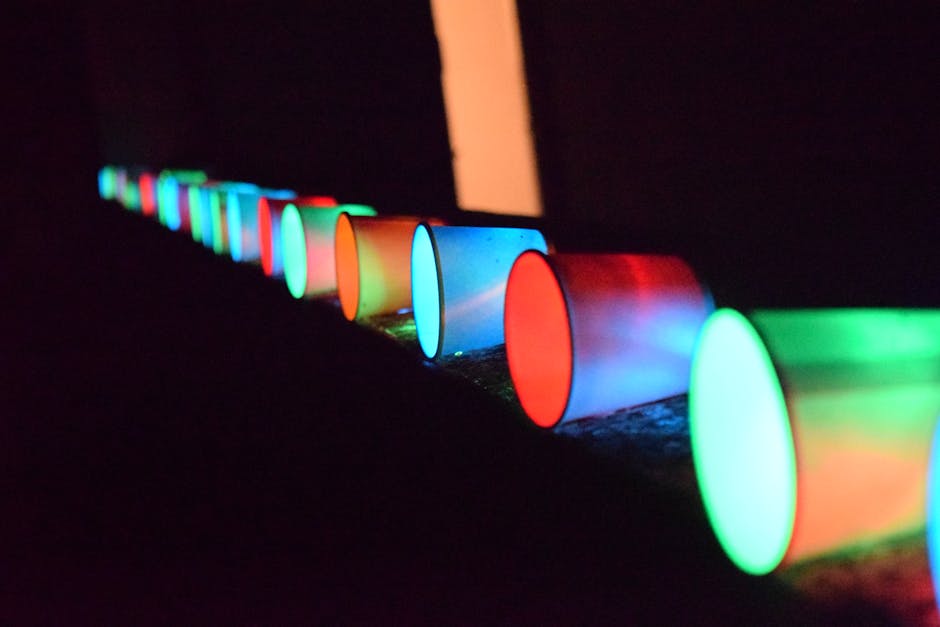
One of the most prominent advantages of LED lighting is its energy efficiency. Compared to traditional incandescent bulbs, LEDs consume up to 80% less energy, which significantly reduces electricity bills. According to the U.S. Department of Energy, if every American home replaced just one incandescent bulb with an LED, the energy savings would be equivalent to the output of 1.2 million power plants.
Additionally, LEDs have an impressive lifespan. While incandescent bulbs typically last about 1,000 hours, LEDs can last between 15,000 to 50,000 hours. This longevity not only means fewer replacements but also less waste, making LEDs a more environmentally friendly option.
Moreover, LEDs emit less heat than traditional lighting options. This characteristic not only enhances safety by reducing the risk of burns but also contributes to lower cooling costs in buildings, further maximizing energy savings.
Applications of LED Technology
LEDs have found their way into nearly every facet of our lives. In residential settings, they are commonly used for ambient lighting, task lighting, and decorative purposes. Their ability to produce a wide range of colors makes them ideal for accent lighting and mood-setting.
In commercial settings, businesses are harnessing the power of LEDs for signage, display lighting, and even in their products. Retailers often use LED lights to highlight merchandise, creating an inviting atmosphere that encourages purchases.
Moreover, industrial applications of LED lighting are on the rise. In warehouses and manufacturing facilities, the bright, focused light of LEDs can enhance productivity and safety on the shop floor.
The Future of LED Technology
The future of LED technology looks bright, with ongoing innovations promising even greater efficiency and functionality. Research in smart lighting systems that integrate LED technology with IoT (Internet of Things) is gaining traction. These systems allow users to control lighting remotely, set schedules, and even adjust the color temperature based on the time of day.
Additionally, advancements in organic LEDs (OLEDs) are paving the way for flexible and transparent lighting solutions. These developments could lead to new applications in architecture and design, allowing for creative and functional lighting solutions that were previously unimaginable.
Furthermore, as the push for sustainability grows, the demand for energy-efficient lighting solutions will continue to rise. The adoption of LEDs in emerging markets, where electricity access is limited, can have a significant positive impact on energy consumption and carbon emissions.
Choosing the Right LED Solutions
When selecting LED lighting for your space, it’s essential to consider various factors. First, determine the purpose of the lighting—whether for ambiance, task, or decorative purposes. This will guide your choice in terms of brightness, color temperature, and design.
It’s also crucial to consider compatibility with existing fixtures and dimming systems. Many LED products are designed to be compatible with standard dimmers, but not all are. Researching products and consulting with professionals can ensure you make informed choices.
For those interested in enhancing their lighting systems further, exploring options like benzi LED RGB can provide a dynamic and customizable lighting experience. RGB LEDs allow users to create a spectrum of colors, making them perfect for parties, events, or simply to match your mood.
Conclusion
LED technology has undoubtedly transformed the lighting landscape, offering energy-efficient, versatile, and sustainable solutions for various applications. As innovations continue to emerge, the potential for LEDs is limitless. Whether you are upgrading your home lighting or designing a commercial space, understanding the advantages and options available will help you make the best choices for your lighting needs.