In the ever-evolving landscape of modern healthcare, surgical instrument suppliers play a pivotal role in ensuring that medical professionals have access to the necessary tools for successful surgical outcomes. These suppliers not only provide a wide range of instruments but also contribute to the overall efficiency and safety of surgical procedures. In this article, we will explore the importance of surgical instrument suppliers, the variety of instruments available, and the impact on patient care.
The Importance of Quality Surgical Instruments
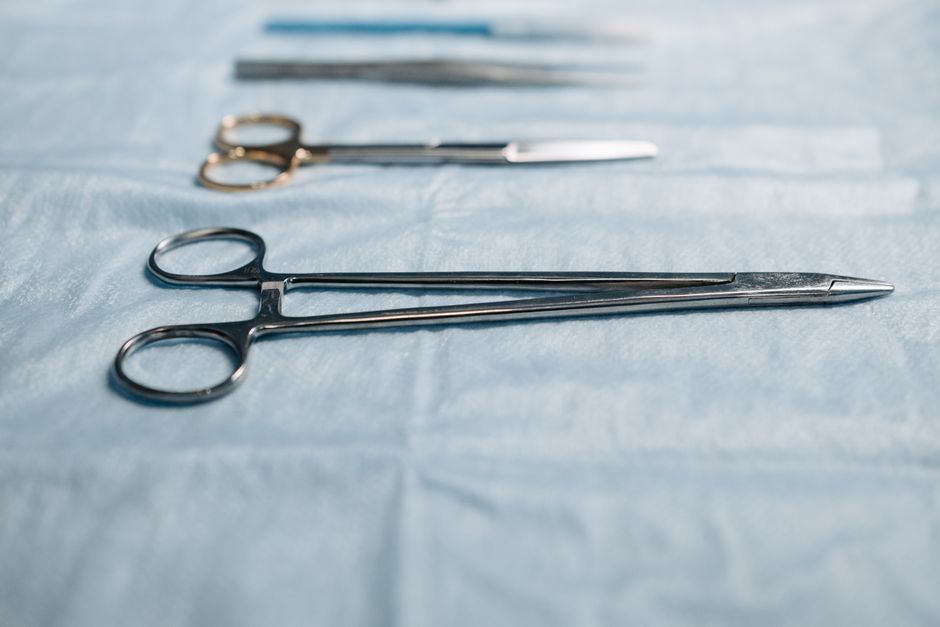
Quality surgical instruments are the backbone of any surgical procedure. The precision and reliability of these tools can significantly affect the outcome of surgeries. Surgical instrument suppliers are responsible for sourcing and delivering high-quality instruments that meet stringent regulatory standards. For instance, instruments must undergo rigorous testing to ensure they can withstand the stresses of surgical use without compromising performance.
Moreover, the availability of advanced materials and technologies has led to the development of innovative surgical instruments that enhance surgical techniques. Suppliers who stay at the forefront of these advancements help healthcare providers access the latest tools, ultimately improving patient outcomes.
Additionally, the relationship between surgical teams and suppliers is crucial. Suppliers often provide training and support to medical professionals, ensuring they understand how to use the instruments effectively. This collaboration can lead to better surgical practices and improved patient safety.
Diverse Range of Surgical Instruments
Surgical instrument suppliers offer an extensive array of instruments tailored to various specialties. From basic tools like scalpels and forceps to specialized instruments used in complex surgeries, the diversity is vast. For example, orthopedic surgeries require specific instruments such as bone saws and retractors, while cardiovascular surgeries demand highly precise tools like clamps and sutures.
In recent years, there has been a growing trend towards minimally invasive surgical instruments. These tools are designed to reduce patient recovery time and minimize scarring. Suppliers that specialize in these advanced instruments are becoming increasingly important as the demand for less invasive procedures rises.
Furthermore, the rise of robotic-assisted surgeries has introduced a new category of instruments. Surgical instrument suppliers must adapt to these technological advancements, offering instruments that are compatible with robotic systems, thus expanding their product lines and meeting the evolving needs of surgeons.
The Impact of Supply Chain Management
Effective supply chain management is vital for surgical instrument suppliers. The healthcare sector operates on a just-in-time basis, meaning that surgical instruments need to be available when required, without delay. Suppliers must ensure that their inventory is managed efficiently to avoid shortages that could impact surgical schedules.
Moreover, the global pandemic highlighted the vulnerabilities in supply chains, with many suppliers facing challenges in sourcing materials and delivering products on time. As a result, many surgical instrument suppliers have started to diversify their sourcing strategies and build stronger relationships with manufacturers to mitigate these risks.
Additionally, suppliers are increasingly investing in technology to enhance their supply chain operations. For instance, using data analytics can help predict demand trends, allowing suppliers to stock the right instruments in the right quantities. This proactive approach not only improves service levels but also reduces costs associated with excess inventory.
Regulatory Compliance and Safety Standards
Surgical instrument suppliers must navigate a complex landscape of regulatory compliance and safety standards. The instruments they provide must adhere to guidelines set forth by organizations such as the FDA in the United States and the European Medicines Agency in Europe. This ensures that the instruments are safe for use in surgical procedures and that they meet the necessary performance standards.
Suppliers are responsible for not only ensuring compliance but also for keeping healthcare providers informed about any changes in regulations or standards. This ongoing education helps medical professionals maintain high safety standards and improve patient care.
Furthermore, suppliers must also address concerns related to sterilization and infection control. Providing instruments that are easy to sterilize and maintain can significantly reduce the risk of postoperative infections, a critical aspect of patient safety.
The Future of Surgical Instrument Suppliers
As the healthcare industry continues to evolve, the role of surgical instrument suppliers will also transform. With advancements in technology and an increasing focus on personalized medicine, suppliers will need to adapt their offerings to meet the changing demands of healthcare providers.
For instance, the integration of artificial intelligence and machine learning in surgical instruments could lead to enhanced precision and improved outcomes. Suppliers who invest in research and development will likely be at the forefront of these innovations.
Moreover, as telemedicine and remote healthcare become more prevalent, the demand for surgical instruments may shift. Suppliers will need to explore new markets and consider how they can best serve healthcare providers in this changing landscape. The ability to provide comprehensive solutions, including training and support, will be essential for success.
In conclusion, surgical instrument suppliers play a crucial role in modern healthcare by providing quality instruments, ensuring compliance with safety standards, and supporting healthcare providers in their mission to deliver exceptional patient care. As the industry continues to evolve, the importance of these suppliers will only grow, making their contribution indispensable.