
In today’s manufacturing landscape, the importance of sheet metal fabrication cannot be overstated. It serves as a cornerstone for various industries, from automotive to aerospace. Understanding this process and its applications can significantly enhance product development and efficiency.
What is Sheet Metal Fabrication?
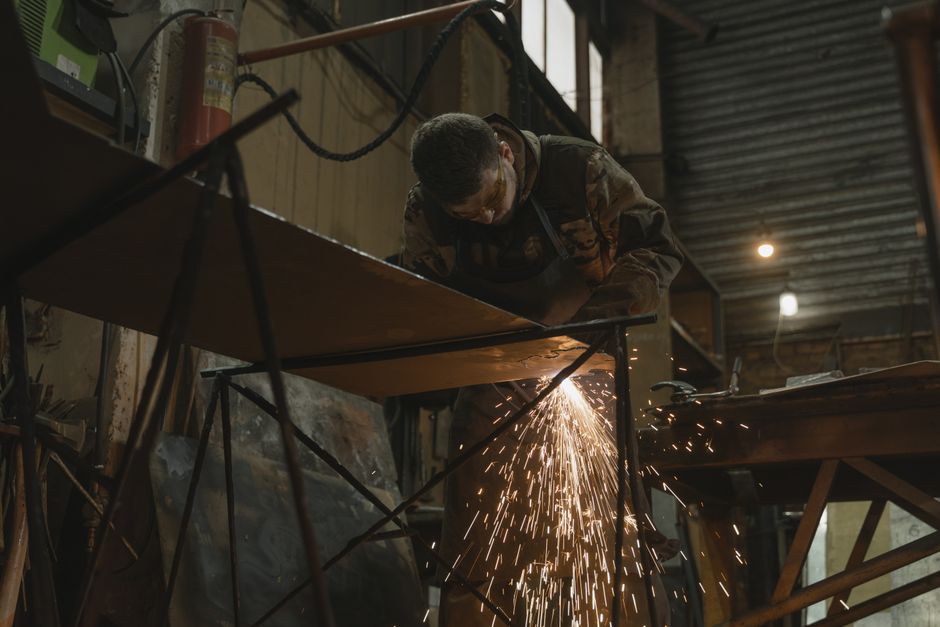
Sheet metal fabrication refers to the process of transforming flat sheets of metal into various shapes and structures. This process involves several techniques, including cutting, bending, and assembling. It’s essential to recognize that the choice of materials can greatly affect the outcome of the fabrication. Common materials include steel, aluminum, and copper, each with unique properties that cater to specific applications.
The fabrication process typically begins with the design phase, where engineers create detailed drawings and specifications. These specifications guide the fabrication process, ensuring that each component meets the required standards. With advancements in technology, many companies now use Computer-Aided Design (CAD) software to streamline this phase, allowing for precise measurements and innovative designs.
The Key Techniques in Sheet Metal Fabrication
Several key techniques are employed in sheet metal fabrication, each serving a unique purpose. Cutting is one of the most fundamental processes, often performed using lasers, plasma, or water jets. These methods provide accuracy and efficiency, reducing material waste.
Bending is another crucial technique that allows for the shaping of metal sheets into desired forms. This process can be achieved using various tools, including press brakes and roll benders. Understanding the material’s properties is vital, as different metals respond differently to bending. For instance, aluminum is more malleable than stainless steel, which requires careful handling to avoid cracking.
Welding is often the final step in the fabrication process, where different metal parts are joined together. There are multiple welding techniques available, including MIG, TIG, and spot welding. Each method has its advantages and is chosen based on the specific requirements of the project.
Applications of Sheet Metal Fabrication
Sheet metal fabrication is utilized across a wide array of industries. In the automotive sector, it is essential for producing body panels, frames, and various components that require durability and precision. Similarly, in the aerospace industry, the fabrication of lightweight and robust components is critical for performance and safety.
Additionally, the construction industry relies heavily on sheet metal fabrication for structural elements such as roofing, siding, and ductwork. The versatility of fabricated metal allows architects and engineers to create innovative designs while ensuring structural integrity.
Moreover, the electronics industry has embraced sheet metal fabrication for creating enclosures and housings for various devices. The ability to customize designs to fit specific electronic components is invaluable in this fast-paced market.
Advantages of Sheet Metal Fabrication
One of the primary advantages of sheet metal fabrication is the ability to produce precise and complex shapes. This precision reduces the likelihood of errors during assembly, saving both time and resources. Additionally, the use of advanced fabrication technologies enhances production efficiency, enabling faster turnaround times.
Another significant benefit is the durability and strength of fabricated metal components. Metals like stainless steel and aluminum offer excellent resistance to corrosion and wear, making them ideal for long-lasting applications. This durability can significantly reduce maintenance costs over time.
Furthermore, sheet metal fabrication is an environmentally friendly option. Many metal materials are recyclable, and modern fabrication techniques often result in minimal waste production. Companies that prioritize sustainability can leverage sheet metal fabrication to meet their environmental goals.
The Future of Sheet Metal Fabrication
As technology continues to evolve, the future of sheet metal fabrication looks promising. Automation and robotics are increasingly being integrated into the fabrication process, enhancing efficiency and precision. With the rise of Industry 4.0, smart manufacturing practices are being adopted, allowing for real-time monitoring and adjustments to the fabrication process.
Furthermore, the incorporation of artificial intelligence and machine learning will likely lead to further innovations in design and production techniques. These advancements will not only improve product quality but also reduce costs and lead times.
In conclusion, understanding the fundamentals of sheet metal fabrication is essential for anyone involved in manufacturing or engineering. The techniques, applications, and advantages discussed highlight the importance of this process in various industries. By staying informed about advancements in technology and best practices, companies can harness the full potential of sheet metal fabrication.