
In the rapidly evolving landscape of manufacturing, the role of industrial automation suppliers has become increasingly pivotal. As companies strive for efficiency, cost reduction, and enhanced productivity, the demand for automated solutions continues to grow. This article delves into the significance of industrial automation suppliers, examining their contributions to the manufacturing sector, the technologies they provide, and how businesses can benefit from their expertise.
Understanding Industrial Automation Suppliers
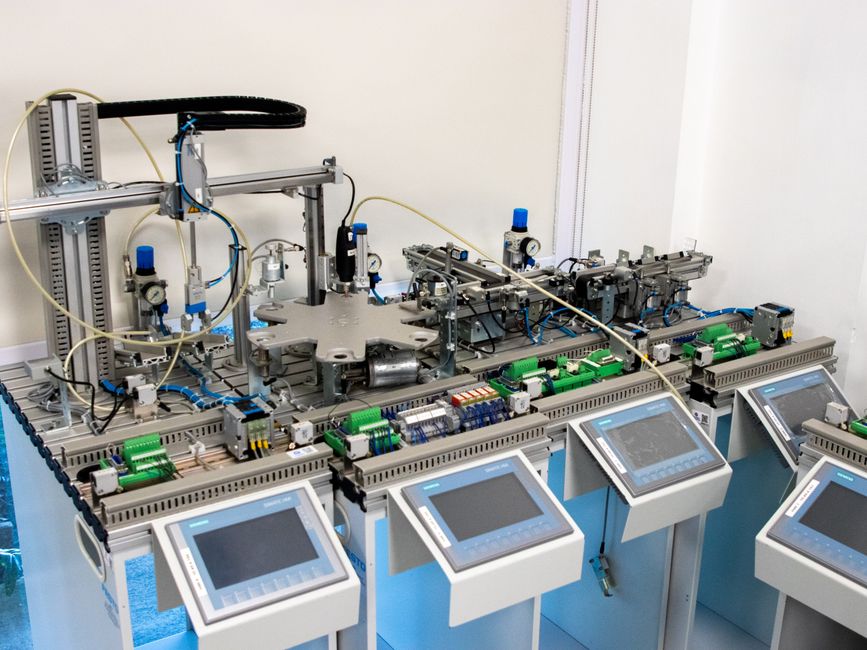
Industrial automation suppliers are companies that provide the necessary equipment, technology, and services to automate manufacturing processes. They play a crucial role in integrating various technological components, such as sensors, robotics, and software, to create automated systems that enhance productivity and efficiency.
These suppliers offer a wide range of products, including programmable logic controllers (PLCs), human-machine interfaces (HMIs), and industrial robots. By implementing these technologies, businesses can streamline operations, reduce labor costs, and minimize errors in production.
Moreover, industrial automation suppliers often provide consulting services to help companies identify areas for automation and develop tailored solutions that meet their specific needs. This partnership can lead to significant improvements in production quality and operational efficiency.
The Impact of Automation on Manufacturing Efficiency
One of the most significant advantages of working with industrial automation suppliers is the potential for increased manufacturing efficiency. According to a report by McKinsey, companies that adopt automation technologies can improve their productivity by up to 30% within a few years.
For instance, an automotive manufacturer that implemented robotic assembly lines saw a 25% reduction in production time and a 15% decrease in material waste. Such improvements not only enhance the bottom line but also allow companies to respond more swiftly to market demands.
Furthermore, automation reduces the reliance on manual labor, which is prone to errors and inconsistencies. By utilizing automated systems, manufacturers can achieve higher precision and quality in their products, leading to increased customer satisfaction and loyalty.
Technological Innovations in Industrial Automation
The field of industrial automation is characterized by constant technological advancements. Suppliers continually innovate to provide cutting-edge solutions that meet the evolving needs of manufacturing. For instance, the integration of artificial intelligence (AI) and machine learning into automation systems allows for predictive maintenance and real-time monitoring of production processes.
Moreover, the rise of the Internet of Things (IoT) has enabled suppliers to offer connected devices that communicate and share data across the manufacturing floor. This connectivity allows for enhanced data analysis, enabling companies to make informed decisions based on real-time insights.
Additionally, suppliers are now focusing on developing more user-friendly interfaces that simplify the operation of complex automation systems. This trend not only reduces the learning curve for employees but also encourages greater adoption of automation technologies within organizations.
Choosing the Right Industrial Automation Supplier
When selecting an industrial automation supplier, companies should consider several factors to ensure they partner with the right provider. First and foremost, the supplier’s experience and expertise in the specific industry are crucial. A supplier with a proven track record in a company’s sector will better understand the unique challenges and requirements.
Furthermore, evaluating the range of products and services offered is essential. A comprehensive supplier should provide not only hardware but also software solutions and support services. This holistic approach enables seamless integration of automation technologies into existing systems.
Lastly, it is vital to assess the supplier’s customer support and training programs. A reliable supplier should offer ongoing support and training to ensure that employees can effectively operate and maintain automated systems.
The Future of Industrial Automation
As the demand for automation continues to rise, the role of industrial automation suppliers will only become more critical. With advancements in technology, these suppliers will help pave the way for smarter and more efficient manufacturing processes.
Industry experts predict that by 2030, nearly 75 million jobs will be displaced due to automation. However, this shift will also create new opportunities in the fields of technology and engineering, emphasizing the importance of having skilled workers who can manage and innovate within automated environments.
Furthermore, the increasing focus on sustainability will drive the development of eco-friendly automation solutions. Suppliers will need to adapt and innovate to meet the growing demand for sustainable practices in manufacturing.
In conclusion, partnering with an industrial automation supplier is essential for manufacturers looking to enhance their operations. By leveraging the latest technologies and expertise, companies can achieve significant improvements in efficiency, quality, and sustainability.