
In today’s fast-paced manufacturing world, precision and efficiency are paramount. CNC machining services have emerged as a critical component for businesses looking to optimize production processes. This technology not only enhances accuracy but also significantly reduces the time required for manufacturing complex parts. As industries evolve, understanding the capabilities and benefits of CNC machining becomes essential for staying competitive.
Understanding CNC Machining
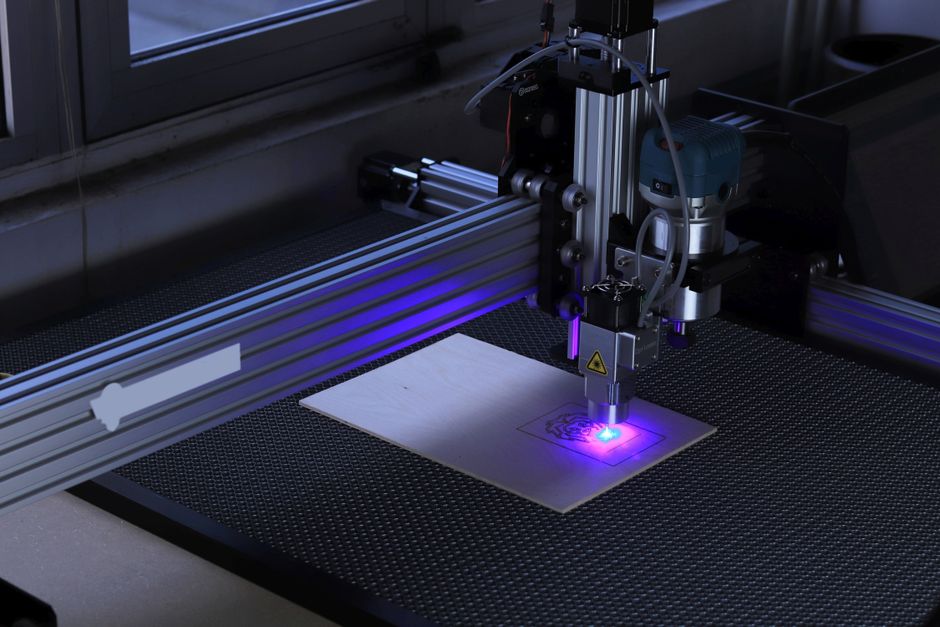
CNC, or Computer Numerical Control, machining refers to the automated process of controlling machine tools through a computer. This technology has revolutionized the manufacturing landscape by providing unprecedented precision and repeatability. Unlike traditional machining methods, CNC machining utilizes pre-programmed software to dictate the movements of machinery, ensuring that each piece produced meets exact specifications.
The origins of CNC machining can be traced back to the 1940s and 1950s when the first numerical control machines were developed. Over the decades, advancements in technology have led to the sophisticated CNC systems we see today, capable of performing a wide array of tasks, from milling and turning to laser cutting and engraving.
One of the key advantages of CNC machining is its ability to produce complex geometries that would be nearly impossible to achieve with manual machining. This capability has made CNC machining services indispensable across various sectors, including aerospace, automotive, medical devices, and consumer electronics.
The Benefits of CNC Machining Services
CNC machining services offer several advantages that can enhance production efficiency and product quality. Firstly, the precision of CNC machines means that parts are manufactured to exact tolerances, reducing the likelihood of defects. This precision is crucial in industries where even the smallest error can lead to significant issues.
Secondly, CNC machining significantly speeds up the production process. Traditional machining methods often involve lengthy setups and adjustments, whereas CNC machines can be programmed to run continuously, producing parts with minimal downtime. This efficiency translates to faster turnaround times and increased output, ultimately benefiting the bottom line.
Moreover, CNC machining services can be tailored to meet specific project requirements. Whether a business needs a small batch of custom parts or a large-scale production run, CNC machining can accommodate various order sizes without sacrificing quality.
Applications of CNC Machining
The versatility of CNC machining services allows for their application in a wide range of industries. In the aerospace sector, for instance, precision is critical. Components such as turbine blades and airframe parts are often produced using CNC machining to meet stringent safety and performance standards.
In the automotive industry, CNC machining is used to manufacture everything from engine components to interior fittings. The ability to create complex shapes and designs swiftly and accurately is a game changer for automotive manufacturers, allowing them to innovate and improve vehicle performance.
Healthcare is another sector where CNC machining plays a vital role. Medical devices, including implants and surgical instruments, require high precision and reliability. CNC machining services ensure that these critical components are produced to exact specifications, enhancing patient safety and outcomes.
Choosing the Right CNC Machining Service Provider
When selecting a CNC machining service provider, businesses should consider several factors. First and foremost, look for a company with a proven track record of quality. Reading reviews and asking for case studies can provide insight into the provider’s capabilities.
Additionally, it’s essential to consider the range of services offered. Some providers may specialize in specific types of machining or materials, so finding one that aligns with your project needs is crucial. Moreover, the availability of advanced technologies, such as multi-axis machining and 3D printing, can also be beneficial depending on the complexity of the parts required.
Lastly, communication and customer service are vital. A responsive provider will keep you informed throughout the manufacturing process, ensuring that any issues are addressed promptly. This level of service can make a significant difference in the overall experience and outcome of your project.
Future Trends in CNC Machining
The CNC machining industry is continuously evolving, with new trends emerging that promise to enhance capabilities further. One notable trend is the integration of automation and artificial intelligence into CNC machining processes. These advancements allow for even greater efficiency and precision, leading to smarter manufacturing solutions.
Another trend is the increasing use of advanced materials. As industries demand stronger and lighter components, CNC machining services are adapting to accommodate materials such as composites and titanium, which require specialized machining techniques.
Furthermore, the rise of Industry 4.0 is influencing CNC machining. This concept revolves around the interconnectivity of machines, allowing for real-time monitoring and data analysis. As manufacturers incorporate IoT technologies, CNC machining services will become even more efficient and responsive to market demands.
Conclusion
In conclusion, CNC machining services represent a cornerstone of modern manufacturing, offering unparalleled precision, speed, and flexibility. As industries continue to advance, understanding and leveraging these services will be crucial for businesses aiming to maintain a competitive edge. Whether you are in aerospace, automotive, healthcare, or any other sector, exploring the potentials of CNC machining service can unlock new opportunities for innovation and growth.