
Demolition is a critical process in construction and renovation that requires careful planning and execution. Whether you are tearing down an old building to make way for a new structure or remodeling your home, hiring the right demolition contractor is crucial. This article will explore the factors you should consider when selecting a demolition contractor, the different types of demolition services available, and the importance of safety and compliance in demolition projects.
Understanding Demolition Services
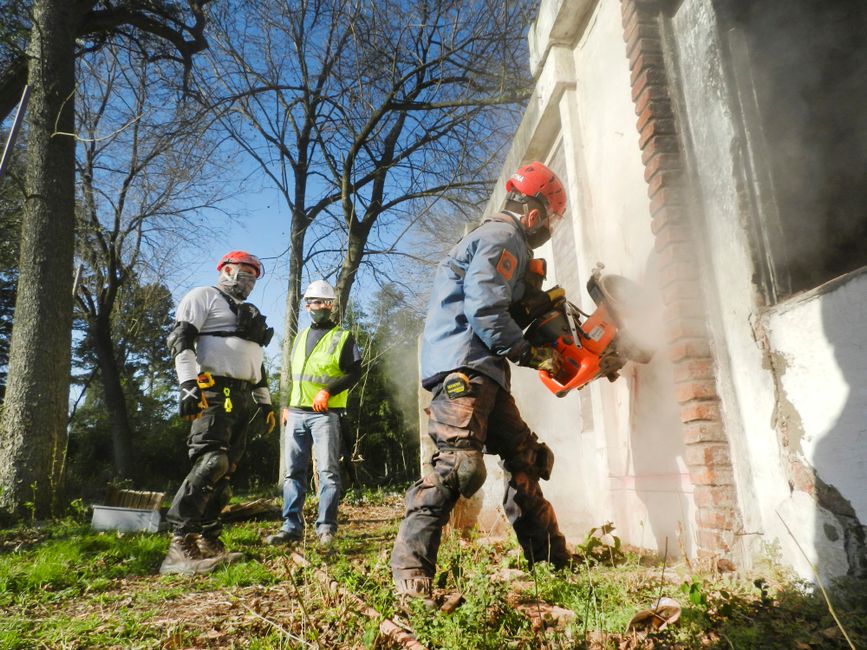
Demolition services can vary widely based on the scope of the project. There are two primary types of demolition: residential and commercial. Residential demolition typically involves smaller structures, such as homes or garages, while commercial demolition deals with larger buildings like office complexes or warehouses. It’s essential to understand these differences as they determine the skill set and equipment required by the contractor.
Additionally, demolition can be classified into different methods such as mechanical demolition, which uses heavy machinery, and deconstruction, which involves carefully dismantling a structure to salvage materials. Each method has its pros and cons, and the choice largely depends on the project’s goals.
Before hiring a contractor, it’s advisable to assess your specific needs. Consider whether you need complete demolition or selective demolition, where only parts of a structure are removed. This understanding will help you engage a contractor with the right expertise and equipment.
Factors to Consider When Hiring a Demolition Contractor
Choosing a demolition contractor involves several critical factors. First and foremost, ensure that the contractor has the necessary licenses and insurance. Proper licensing indicates that the contractor meets local regulations and standards, while insurance protects you from potential liabilities during the demolition process.
Experience is another vital factor. A contractor with a proven track record in similar projects will be more adept at handling unexpected challenges. It’s worth asking for references and reviewing past projects to gauge their capabilities.
Furthermore, obtaining multiple quotes can provide insight into market rates and help you identify contractors who offer value for money. However, be cautious of bids that seem too low; they may indicate a lack of quality or hidden costs.
The Importance of Safety and Compliance
Demolition work can be hazardous, which is why safety must be a top priority. A reputable contractor should have a comprehensive safety plan in place, including measures to protect workers, the public, and the environment. This plan should comply with Occupational Safety and Health Administration (OSHA) regulations and local laws.
Moreover, proper waste disposal is essential in demolition projects. Contractors should have protocols for handling hazardous materials, such as asbestos or lead, to ensure compliance with environmental regulations. Failure to manage such materials correctly can lead to severe legal repercussions and health risks.
Always ask potential contractors about their safety record and how they handle compliance issues. A contractor who prioritizes safety will likely deliver a more reliable and efficient demolition service.
Cost Considerations in Demolition Projects
The cost of demolition can vary significantly based on several factors, including the size and complexity of the project, location, and the type of demolition method used. On average, residential demolition can range from $3,000 to $25,000, while commercial projects can cost significantly more.
When budgeting for your demolition project, consider both direct costs, such as labor and equipment, and indirect costs, like permits and disposal fees. It’s crucial to have a clear understanding of the total costs involved to avoid surprises later.
Additionally, consider the potential savings of reusing materials through deconstruction rather than traditional demolition. This approach can reduce waste and lower disposal fees while also providing materials that can be repurposed in new construction.
Final Thoughts on Choosing a Demolition Contractor
In conclusion, selecting the right demolition contractor is a crucial step in ensuring the success of your project. By understanding the various types of demolition services, considering essential factors like licensing and experience, prioritizing safety, and being mindful of costs, you can make an informed decision.
For those looking to hire a professional, it’s beneficial to consult with a demolition contractor who can provide expert guidance tailored to your specific project needs. A knowledgeable contractor will not only help streamline the demolition process but also ensure that it is carried out safely and efficiently, setting the stage for your future construction endeavors.