
In an era where online privacy and security are more critical than ever, Virtual Private Network (VPN) services have become a vital tool for internet users. The rapid growth of cyber threats and the increasing surveillance on internet activities have led many individuals and businesses to seek ways to protect their sensitive information. This article explores the essential role of VPN services in enhancing online security, maintaining privacy, and ensuring unrestricted access to content.
What is a VPN Service?
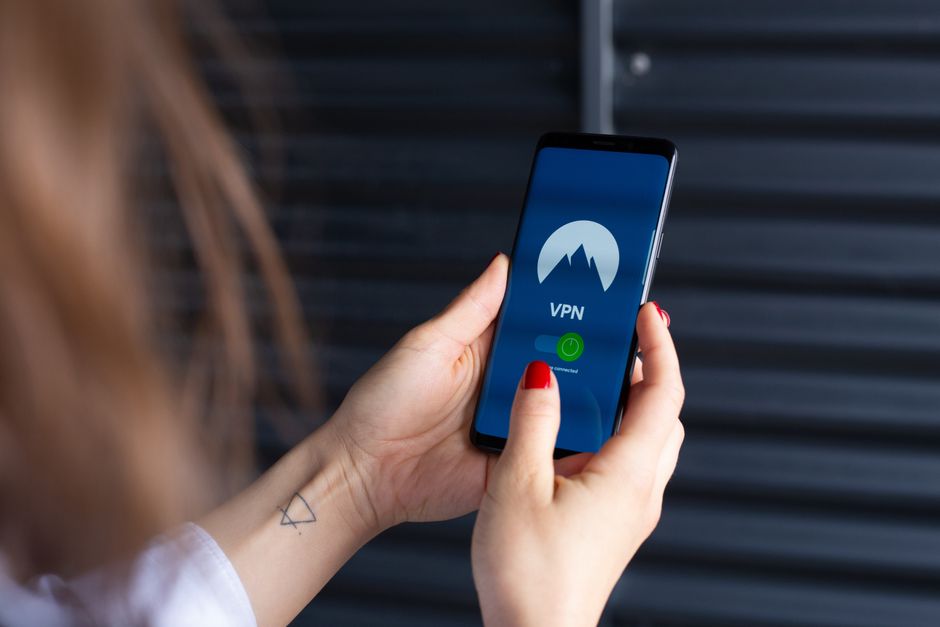
A VPN service is a technology that creates a secure and encrypted connection over a less secure network, such as the Internet. By using a VPN, users can mask their IP addresses, making their online actions virtually untraceable. This is particularly important for individuals who wish to safeguard their personal information from hackers and other malicious entities. Additionally, VPNs allow users to access region-restricted websites and services, further emphasizing their versatility.
When you connect to a VPN, your data is routed through a secure server, which masks your original IP address with that of the VPN server. This process not only enhances security but also allows for a more anonymous browsing experience. As remote work becomes more common, VPN services have also become essential for businesses to secure their internal networks against potential threats.
The Benefits of Using VPN Services
The advantages of utilizing a VPN service extend beyond mere security. One of the primary benefits is enhanced privacy. With a VPN, your internet service provider (ISP) cannot easily track your online activities, providing a layer of anonymity. This is particularly valuable in countries where internet censorship is prevalent.
Moreover, many users opt for VPNs to bypass geographical restrictions imposed by streaming platforms. For instance, a user in South Korea may wish to access content available only in the United States. By connecting to a VPN server located in the U.S., the user can appear to be browsing from that region, thereby gaining access to otherwise restricted content.
Security Features of VPN Services
When selecting a VPN service, it’s essential to consider the security features offered. A reliable VPN should provide strong encryption protocols, such as OpenVPN or IKEv2/IPSec. These protocols ensure that your data remains secure from eavesdroppers and potential hackers.
Furthermore, features like a kill switch— which disconnects your internet if the VPN connection drops— and DNS leak protection are crucial for maintaining security. These features prevent your data from being exposed inadvertently, ensuring that your online activities remain private even in the event of a connection failure.
Selecting the Right VPN Service
Choosing the right VPN service can be overwhelming given the numerous options available. Key factors to consider include the service’s logging policy, server locations, and speed. A no-logs policy is essential for users who prioritize privacy, as it means that the service does not keep records of your online activities.
Additionally, the number of servers and their geographical locations can impact your browsing experience. A VPN with a vast network of servers can provide better speeds and more options for bypassing restrictions. User reviews and expert comparisons can also help in determining the most reliable VPN services available in the market.
For those looking for recommendations, detailed comparisons and reviews can be found on various tech websites. For instance, readers can explore a comprehensive list of top-rated VPN services at VPN service provider reviews.
The Future of VPN Services
As technology continues to evolve, the need for VPN services will likely increase. With the rise of 5G networks and the Internet of Things (IoT), more devices will connect to the internet, creating additional vulnerabilities. Consequently, VPN services will play a crucial role in protecting personal data and maintaining online privacy.
Furthermore, as governments and corporations become more involved in monitoring internet usage, individuals may turn to VPNs to reclaim their autonomy online. The future of VPN services appears promising, especially for those seeking security in an increasingly interconnected world.
Conclusion
In conclusion, VPN services have become indispensable in today’s digital landscape, offering robust security, privacy, and freedom to access information. As users become more aware of the risks associated with their online activities, the demand for reliable VPN solutions will continue to grow. By understanding the features and benefits of VPN services, individuals and businesses can make informed decisions to enhance their online security measures and protect their sensitive information from potential threats.